Our Latest Scientific Contributions
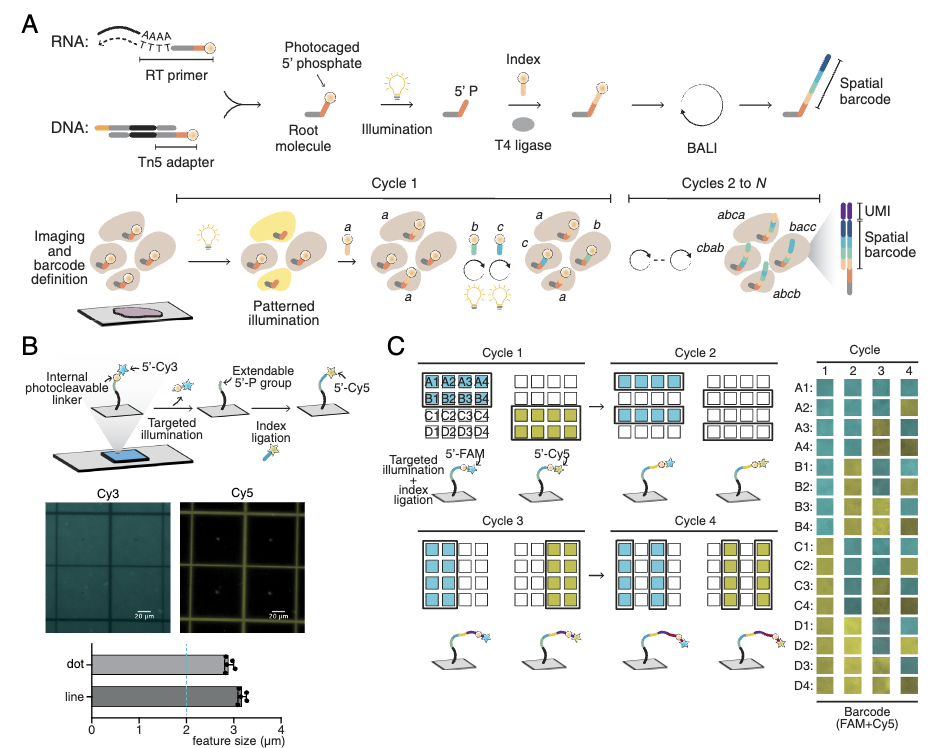
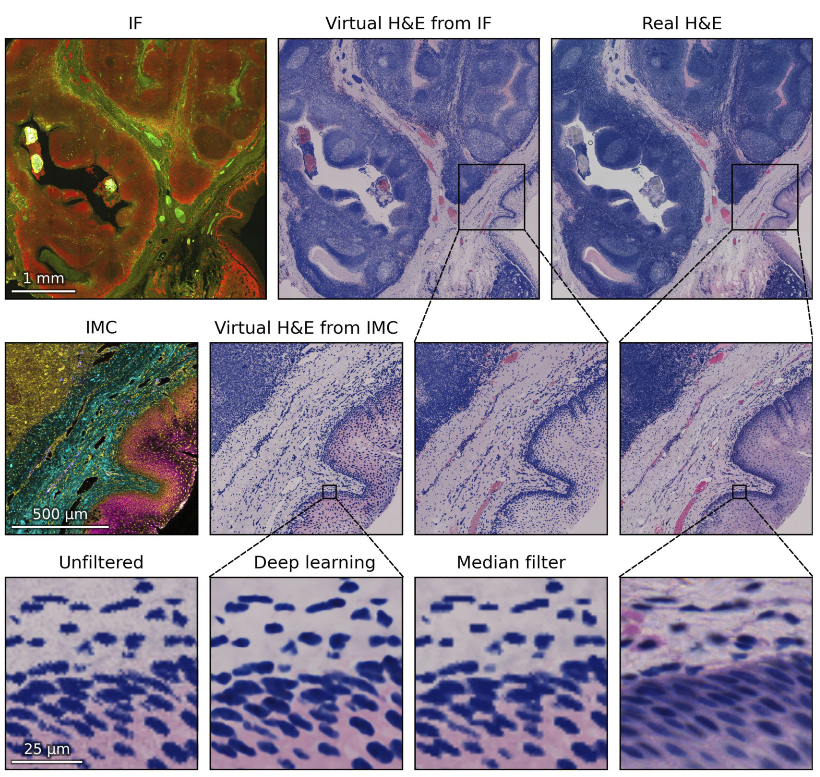
Frontiers in Genetics, 2025
Cancer Discovery, 2025
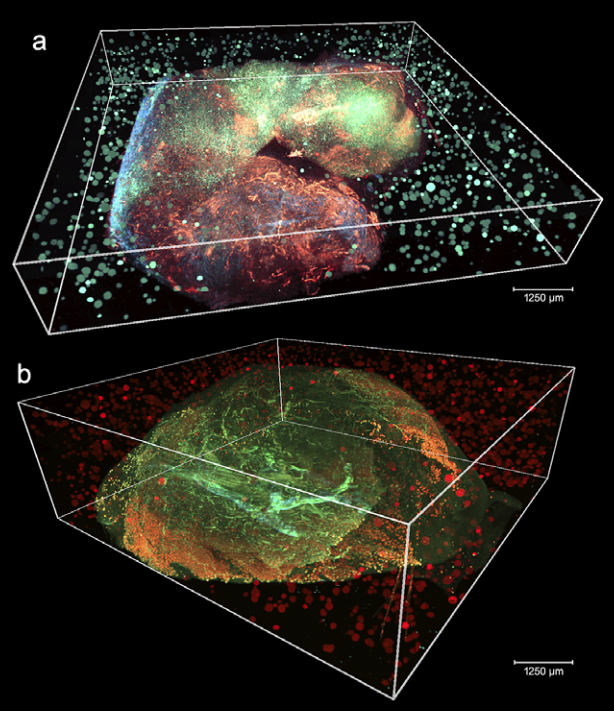
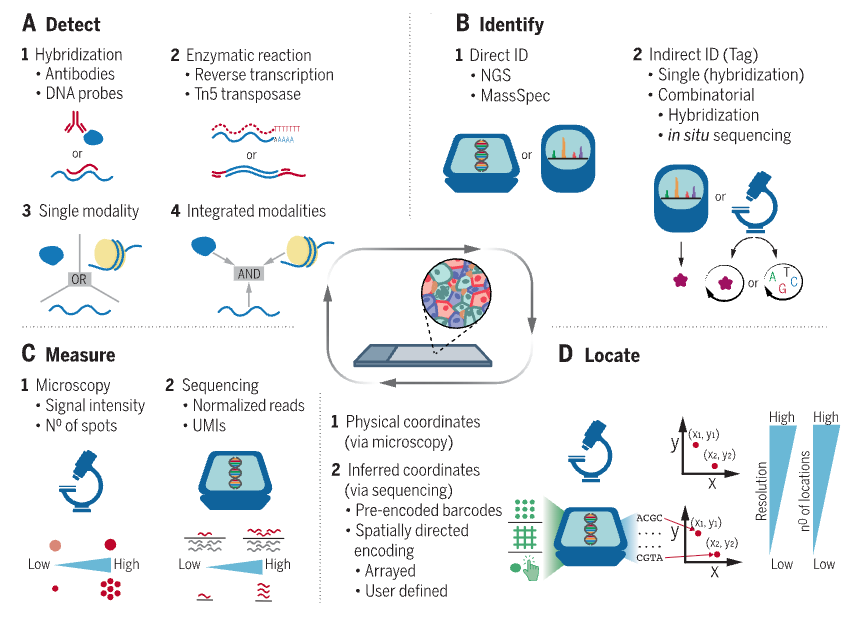
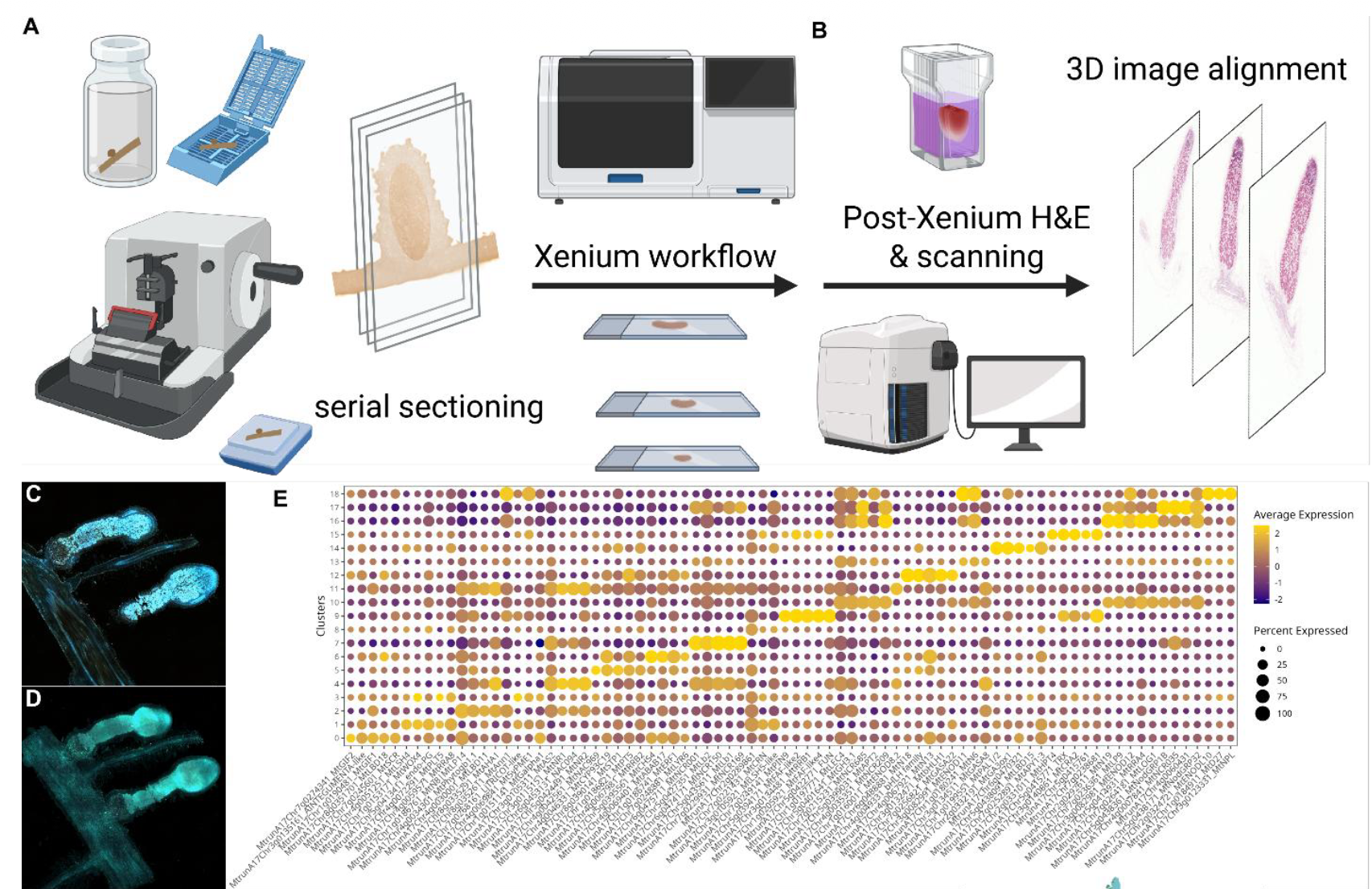
Science, 2023
Publications from the IMAXT Consortium
Dense, continuous membrane labeling and expansion microscopy visualization of ultrastructure in tissues, Nature Communications, 2025
Single-cell decoding of drug induced transcriptomic reprogramming in triple negative breast cancers, Genome Biology, 2024
Microenvironmental reorganization in brain tumors following radiotherapy and recurrence revealed by hyperplexed immunofluorescence imaging, Nature Communications, 2024
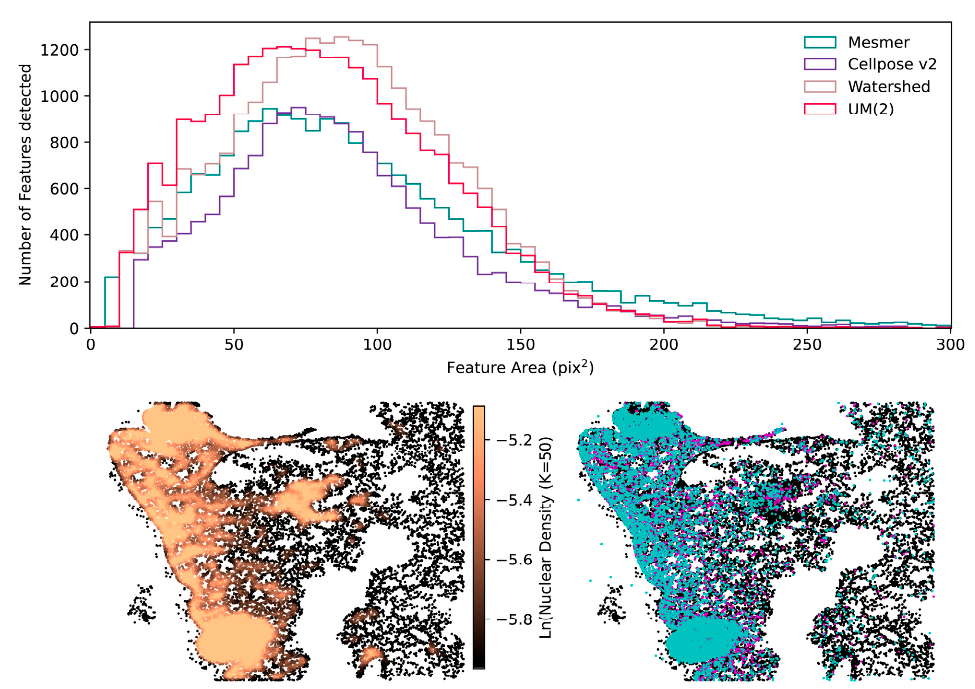
ESQmodel: biologically informed evaluation of 2-D cell segmentation quality in multiplexed tissue images, Bioinformatics, 2024
Expansion microscopy using a single anchor molecule for high-yield multiplexed imaging of proteins and RNAs, Plos One, 2023
FOXC2 promotes vasculogenic mimicry and resistance to anti-angiogenic therapy, Cell Reports, 2023
SpatialSort: a Bayesian model for clustering and cell population annotation of spatial proteomics data, Bioinformatics, 2023
Single-cell genomic variation induced by mutational processes in cancer, Nature, 2022
Clonal transcriptomics identifies mechanisms of chemoresistance and empowers rational design of combination therapies, Elife, 2022
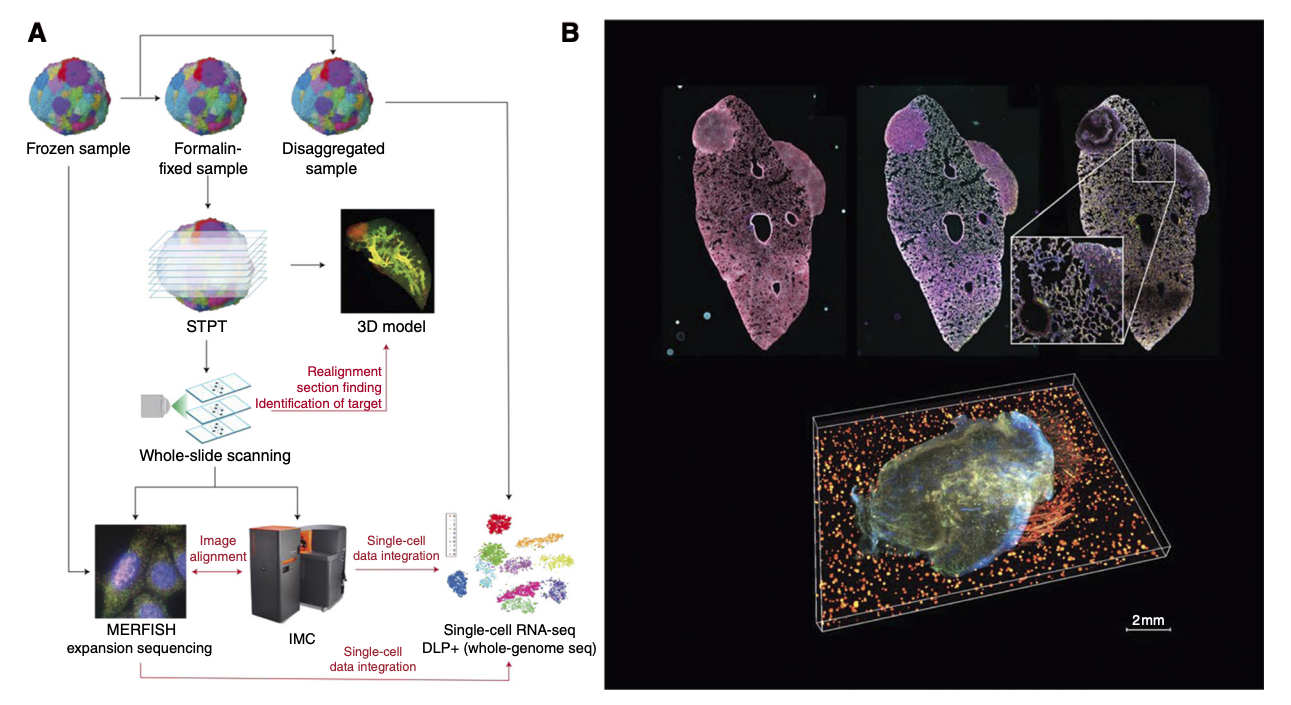
Three-dimensional imaging mass cytometry for highly multiplexed molecular and cellular mapping of tissues and the tumor microenvironment, Nature Cancer, 2022
Clonal fitness inferred from time-series modelling of single-cell cancer genomes, Nature, 2021
Landscapes of cellular phenotypic diversity in breast cancer xenografts and their impact on drug response, Nature Communications, 2021
Expansion sequencing: Spatially precise in situ transcriptomics in intact biological systems, Science, 2021
Imaging mass cytometry and multiplatform genomics define the phenogenomic landscape of breast cancer, Nature Cancer, 2020
Dissociation of solid tumor tissues with cold active protease for single-cell RNA-seq minimizes conserved collagenase-associated stress responses, Genome Biology, 2019
clonealign: statistical integration of independent single-cell RNA and DNA sequencing data from human cancers, Genome Biology, 2019